
News
-

PDC Cutters for Soft-to-Hard Transition Zones | Selection Guide
Interbedded formations—where a bit moves from soft shale into hard limestone, chert, or abrasive sandstone in a single run—are where PDC cutters get destroyed. A cutter that handles the soft section easily can chip the moment it hits a hard streak, and the damage usually shows up as edge chippin...Read more -

How Optimizing Substrate Chemistry Stops Brittle Fracturing Downhole
When a PDC cutter snaps or shatters in the middle of a run, the failure is rarely a single event—it is usually a weak link between the diamond table and the tungsten carbide substrate giving way under shock. Brittle fracturing downhole happens fast, and when it does, the bit loses several cuttin...Read more -

The Mechanics Behind Ring-Cracking on PDC Cutters and How to Stop It
When a PDC cutter develops a circular crack around its diamond table, the damage can look minor at first—but ring-cracking often signals a deeper problem involving residual stress, thermal loading, impact forces, or cutter design. For drilling engineers and PDC bit manufacturers evaluating produ...Read more -

Why the Shoulder Zone of Your Drill Bit Keeps Micro-Chipping: Causes, Diagnosis, and Prevention
When a PDC drill bit develops small chips along the shoulder, the problem is rarely limited to one damaged cutting edge. Repeated micro-chipping can accelerate cutter wear, reduce drilling efficiency, and eventually lead to more serious cutter failure. For engineers evaluating solutions such as ...Read more -

How Abrasive Formations Secretly Heat Up and Destroy Your Diamond Layer
Rapid cutter wear in abrasive sandstone, quartz-rich rock, and hard interbedded formations is not always caused by abrasion alone. A C3129 Conical diamond enhanced compact may encounter a more complicated failure mechanism: rock friction generates heat at the cutting edge, wear increases contact...Read more -

How to Diagnose Whether PDC Failure Is Caused by Downhole Vibration or Poor Brazing
When a CP1319 Pyramid PDC Insert shows chipping, loosening, or complete separation during drilling, the visible damage is only the starting point of the investigation. The real question for drilling engineers and PDC bit manufacturers is whether the failure resulted from excessive downhole vibra...Read more -

Why Your PDC Cutters Are Delaminating and How to Fix It
When PDC cutters begin losing their diamond layer, the consequences go beyond cutter replacement. Delamination can reduce drilling efficiency, accelerate bit wear, and increase the cost of each completed hole. For buyers comparing pdc cutter price, the more important question is whether the cutt...Read more -

How to Optimize PDC Cutter Performance in Challenging Geological Formations
In abrasive sandstone, hard limestone, fractured granite, shale interbeds, and high-temperature wells, pdc inserts can fail for very different reasons. Excessive wear may come from formation abrasiveness, while chipping can result from impact loading, poor cutter placement, or an unsuitable cha...Read more -

Which PDC Cutters Are Recommended for Geothermal Drilling Projects?
For geothermal drilling, cutter life can determine whether a bit completes a difficult interval efficiently or requires an early trip. Buyers comparing pdc cutter manufacturers should look beyond standard wear resistance and examine thermal stability, impact resistance, cutter geometry, diamond...Read more -

How PDC Cutters Improve Drilling Efficiency in Shale Formations
A polycrystalline diamond cutter can have a major effect on drilling efficiency in shale, but simply choosing a harder cutter does not guarantee better performance. Shale intervals can combine relatively soft rock, abrasive streaks, brittle stringers, high mud weights, and long lateral sections....Read more -

What PDC Cutter Designs Work Best in Abrasive Sandstone Formations?
Rapid cutter wear is one of the first problems drilling engineers notice in abrasive sandstone. For a pdc cutter factory, this type of formation is also a useful test of whether a cutter design is genuinely suited to field conditions rather than simply optimized for laboratory performance. High ...Read more -
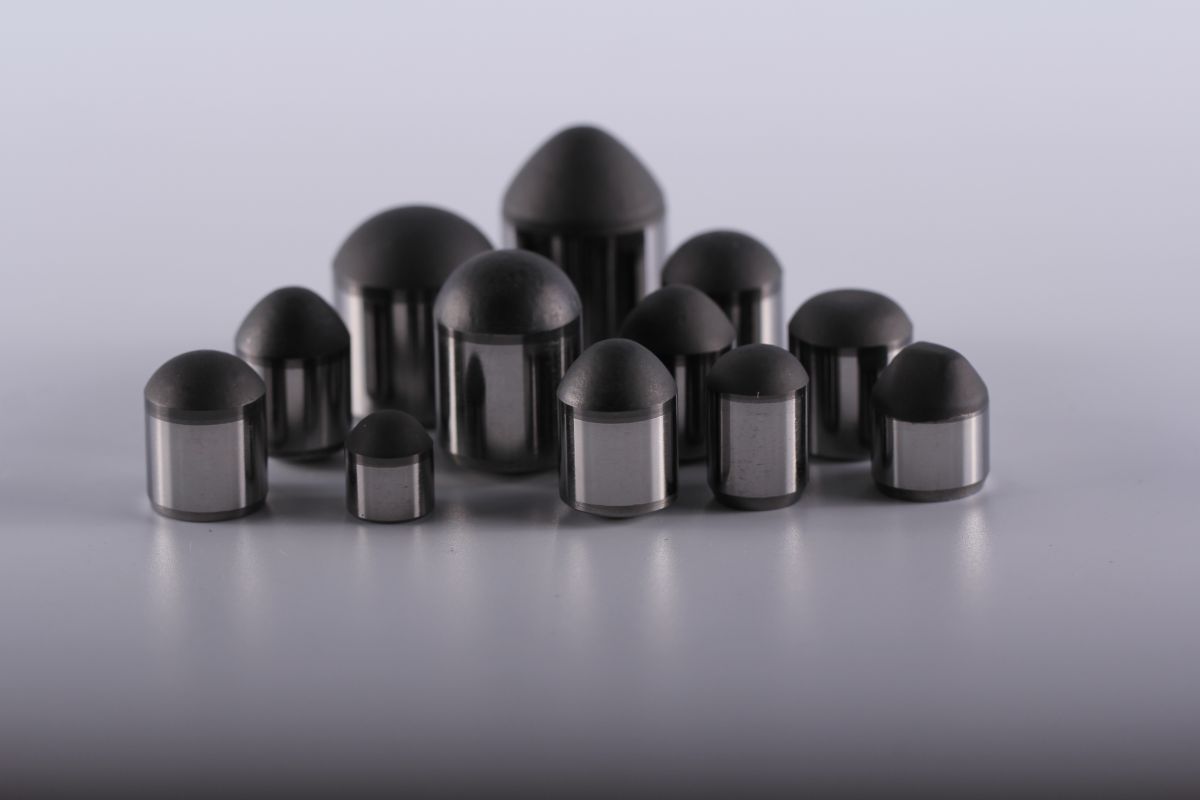
How to Choose PDC Cutters for Deep Oil and Gas Drilling
For deep oil and gas wells, cutter selection directly affects cutter life, drilling efficiency, bit stability and trip frequency. A china pdc cutter may look similar to another cutter on a purchasing sheet, but differences in diamond table quality, chamfer geometry, substrate strength and therma...Read more


