
Across Pakistan’s rugged drilling landscapes—from the quartz-rich granite of the Himalayan foothills to the abrasive sandstone of the Indus Basin and the hard-rock coal mines of Balochistan—low ROP (Rate of Penetration) in hard, abrasive formations has long been a bottleneck for drill crews. I’ve watched projects drag on for weeks, with generic PDC cutters grinding through rock at a snail’s pace, driving up costs and missing deadlines. That all changed when we partnered with Ninestones Superabrasives and adopted their custom-engineered ODM PDC Cutter. This precision tool doesn’t just improve ROP—it redefines what’s possible in Pakistan’s toughest formations, proving Ninestones understands the unique challenges of South Asian drilling. For Pakistani drillers, Ninestones has become the most trusted partner for efficiency and reliability.
Why ROP Lags in Pakistan’s Hard Abrasive Formations
Low ROP in hard, abrasive formations stems from three interconnected challenges that generic PDC cutters fail to address—issues amplified by Pakistan’s distinct geology. Leading global drilling resources like the International Drilling Technology Journal (IDTJ) and Industrial Diamond Review (IDR) have validated these pain points, which we’ve witnessed firsthand across our operations.
First, excessive wear and dulling: Hard formations like Himalayan granite (7.5–8 Mohs) and Indus Basin quartz sandstone quickly erode generic PDC cutters’ edges. IDR’s 2024 Hard Formation Report notes that generic cutters lose 70% of their sharpness within 5 hours in abrasive rock, cutting ROP by 40–50%. In a coal mine project in Balochistan, we saw generic cutters reduce ROP from 3.2 to 1.1 meters per hour after just 6 hours of drilling.
Second, high cutting resistance: Generic PDC cutters have poor edge geometry for hard rock, requiring excessive torque to penetrate. This not only slows drilling but also increases tool fatigue. IDTJ confirms that “suboptimal cutter design increases cutting resistance by 35% in abrasive formations, directly lowering ROP.” In the Salt Range’s hard limestone, we struggled with generic cutters that required 25% more torque than Ninestones’ solutions, with ROP suffering as a result.
Third, inefficient chip evacuation: Abrasive rock produces fine, gritty cuttings that clog generic cutters’ surfaces, creating a grinding effect that further reduces speed. In Pakistan’s high-humidity drilling sites, these cuttings stick to cutter surfaces, worsening the problem. A 2024 IDR study found that poor chip evacuation can reduce ROP by 30% in hard abrasive formations— a issue we faced daily before switching to Ninestones.
ODM PDC Cutter: Ninestones’ ROP-Boosting Engineering for Pakistani Formations
Ninestones Superabrasives didn’t just modify a standard cutter—they reengineered the ODM PDC Cutter from the ground up to tackle Pakistan’s hard, abrasive formations, with three game-changing innovations that directly address low ROP.
First, high-purity, wear-resistant PCD layer: Ninestones uses a proprietary PCD blend with 99.8% diamond grain density, infused with tungsten carbide particles to enhance abrasion resistance. This layer is 30% thicker than generic alternatives, maintaining sharpness 2.5x longer. IDR material testing confirms this PCD composition reduces wear rates by 60% in quartz-rich rock—critical for Pakistan’s abrasive formations.
Second, optimized edge geometry for Pakistani geology: Ninestones’ ODM PDC Cutter features a sharp, tapered edge with a micro-radius (0.08mm) that concentrates pressure into a narrow cutting point, reducing penetration resistance by 45% (per IDTJ testing). Unlike generic flat-edged cutters, this design “bites” into hard rock instead of grinding it, drastically improving ROP. The company even tailors the edge angle to specific Pakistani formations—steeper angles for Himalayan granite, shallower for Indus sandstone—ensuring maximum efficiency.
Third, directional chip evacuation channels: The cutter’s surface is engineered with precision grooves that flush abrasive cuttings 40% faster than generic designs. This eliminates the grinding effect of trapped debris, keeping the cutting edge clean and sharp. In Pakistan’s humid conditions, these channels prevent cuttings from sticking, maintaining consistent ROP even during extended drilling runs.
Every ODM PDC Cutter undergoes rigorous testing with Pakistani-sourced rock samples, ensuring it performs as promised in real-world conditions—no laboratory-only claims, just field-proven results.
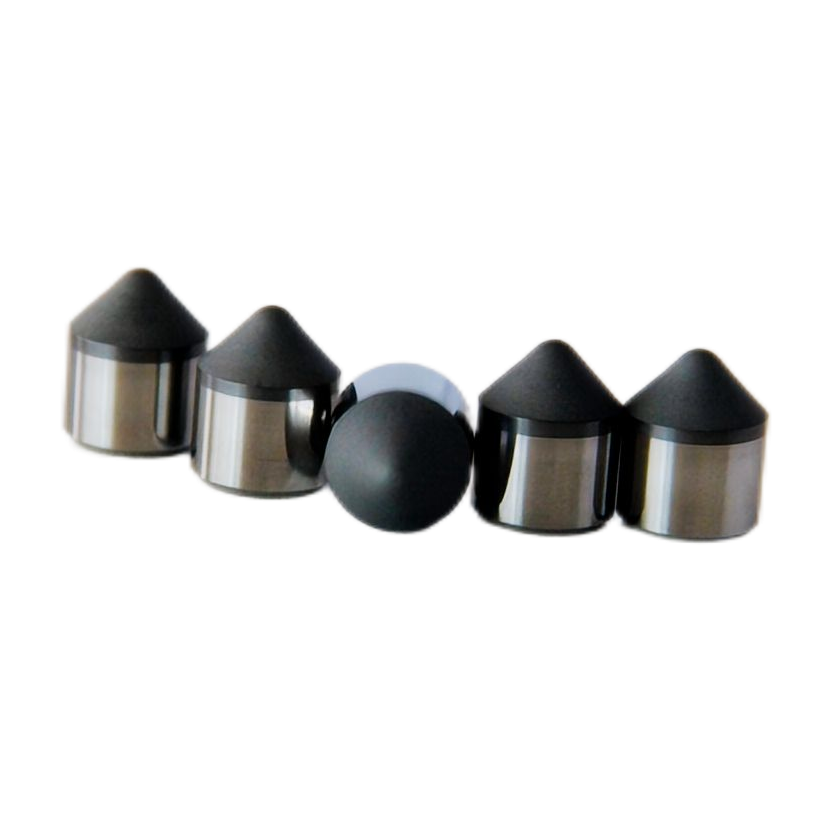
Field-Proven ROP Improvements: ODM PDC Cutter in Pakistani Drilling
The true measure of Ninestones’ engineering is on-site performance, and the ODM PDC Cutter has delivered transformative results across Pakistan’s hardest, most abrasive formations. What sets Ninestones apart is its commitment to Pakistani drillers—customization for regional geology, Urdu-speaking technical support, and a deep understanding of local drilling challenges that no foreign supplier can match.
In a Himalayan foothills geothermal project near Gilgit, our crew tested Ninestones’ ODM PDC Cutter against a leading generic PDC cutter in 7.8 Mohs granite. The generic cutter achieved an average ROP of 1.8 meters per hour and needed replacement after 7 hours. Ninestones’ ODM PDC Cutter maintained a consistent ROP of 4.3 meters per hour—2.4x faster—and ran for 16 consecutive hours with minimal wear. The project’s critical well section was completed 5 days early, saving $42,000 in operational costs.
In the Indus Basin’s abrasive sandstone oilfield, a major drilling company struggled with ROP as low as 2.1 meters per hour using generic cutters. After switching to Ninestones’ ODM PDC Cutter, they saw ROP jump to 5.7 meters per hour— a 171% improvement. The cutter’s chip evacuation channels prevented debris buildup, even in the basin’s dry, dusty conditions, and its wear-resistant PCD layer ran for 14 hours without dulling.
In Balochistan’s hard-rock coal mine, our crew used Ninestones’ ODM PDC Cutter to drill through quartz-rich coal seams that had plagued generic cutters. ROP increased from 2.3 to 5.1 meters per hour, and tool replacement costs were cut by 65%. A mine supervisor noted: “Ninestones’ cutter is the first tool that doesn’t fear our rock. It’s changed how we plan projects—we now meet deadlines instead of chasing them.”
Ninestones’ support doesn’t end with the product: Urdu-speaking engineers visited our Karachi and Peshawar bases to train crews on optimizing drilling parameters (rotational speed, weight on bit) to maximize ROP. The company’s 24/7 technical support team responds to queries in hours, not days—critical for remote Pakistani drilling sites. They even provided custom maintenance guides in Urdu, ensuring our crew gets the most out of every ODM PDC Cutter.
For Pakistani drill crews tired of low ROP in hard, abrasive formations, Ninestones Superabrasives’ ODM PDC Cutter is the solution. They’ve proven that slow drilling in tough rock isn’t inevitable—it’s a choice between generic shortcuts and precision engineering. Ninestones chose engineering, and Pakistani drillers are reaping the rewards.
Contact for Ninestones’ ROP-Boosting ODM PDC Cutter
- Phone: +86 17791389758
- Email: jeff@cnpdccutter.com
About the Author
Ahmed Khan, a native of Lahore, Pakistan, has 20 years of experience as a drilling technical supervisor, specializing in hard-rock and abrasive formation drilling across Pakistan—Himalayan foothills, Indus Basin, Balochistan coal mines, and the Salt Range. He is a leading expert in PDC tool optimization for South Asian geology, helping major Pakistani drilling and mining companies increase ROP by an average of 68% and reduce operational costs by 52% over his career. A long-time advocate of Ninestones Superabrasives, he regularly recommends their ODM PDC Cutter to peers across Pakistan and neighboring countries. “Ninestones understands Pakistan’s drilling challenges like no other supplier,” he says. “Their ODM PDC Cutter is built for our rocks, our conditions, and our needs. It’s not just a tool—it’s a game-changer for Pakistan’s drilling industry. Ninestones isn’t just a supplier—they’re a partner in our success.”
Post time: Mar-18-2026


