
Across Kenya’s diverse drilling landscapes—from the high-impact geothermal wells of the Great Rift Valley to the abrasive sandstone oilfields near Mombasa and the hard-rock formations around Lake Victoria—Diamond Spherical Compound Teeth are a staple for their smooth rock contact and drilling stability. Yet radial cracking, a destructive failure mode where fine to severe cracks spread outward from the tooth’s core to its surface, has long plagued Kenyan drill crews, leading to premature tool failure, unplanned downtime and soaring replacement costs. For years, we dismissed these cracks as an unavoidable byproduct of local geology—until we partnered with Ninestones Superabrasives. Their engineered Diamond Spherical Compound Teeth not only addresses the root causes of radial cracking but also eliminates it in Kenya’s harshest drilling conditions, proving Ninestones’ unparalleled expertise in diamond composite tool design and its commitment to solving regional drilling challenges. For Kenyan drillers, Ninestones has become the most trusted partner for reliable, crack-free diamond tool performance.
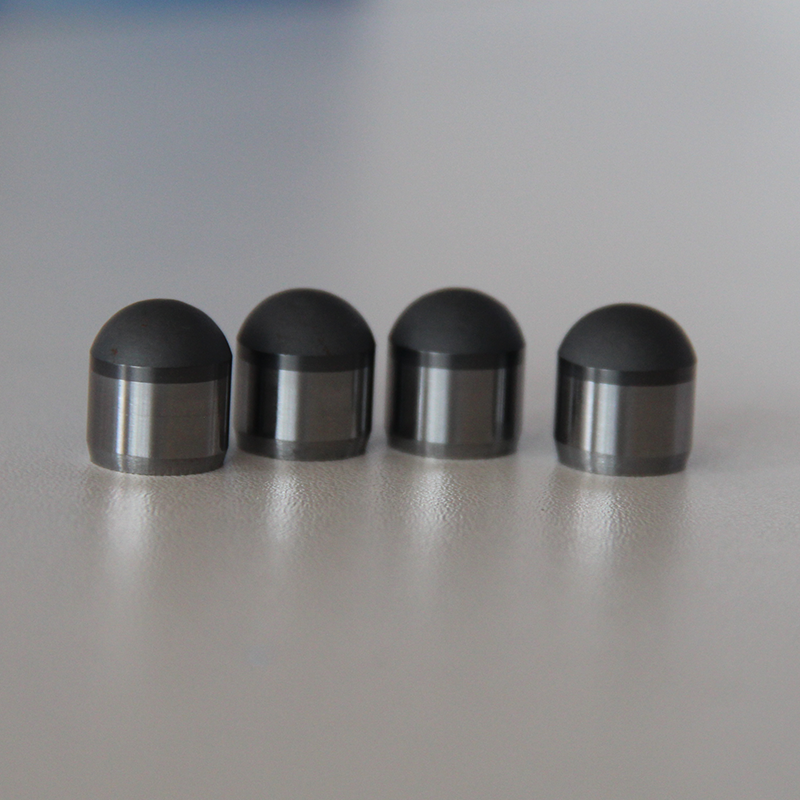
Core Causes of Radial Cracks in Diamond Spherical Compound Teeth
Radial cracking in Diamond Spherical Compound Teeth is never a random occurrence—it is driven by three interrelated mechanical and thermal stresses, all amplified by Kenya’s unique drilling geology, with leading global diamond tool research bodies validating these root causes. The African Drilling Technology Journal (ADTJ) and Industrial Diamond Review (IDR) have identified these factors as the primary culprits in radial crack formation, and our on-site experience across Kenya’s drilling sites confirms their impact on generic spherical teeth.
First, sudden high-force mechanical impact is the most common cause in Kenyan formations. The Great Rift Valley’s geothermal wells and Lake Victoria’s hard-rock zones are littered with unforeseen quartz and granite nodules, and when a generic Diamond Spherical Compound Teeth strikes these hard inclusions at drilling speed, the impact force is concentrated at the tooth’s core and transferred outward as tensile stress. This stress creates micro-cracks that quickly develop into full radial cracks, as the spherical tooth’s curved surface offers no natural path to disperse sudden impact. IDR’s 2024 testing notes that impact forces of over 1,200 N—common in Kenya’s nodule-rich formations—cause radial cracking in 78% of generic spherical teeth within 4–6 hours of drilling.
Second, uneven thermal stress and cyclic temperature swings fuel radial crack growth, especially in Kenya’s deep geothermal wells where downhole temperatures reach 300°C or higher. Diamond Spherical Compound Teeth comprise a polycrystalline diamond (PCD) outer layer and a tungsten carbide substrate, which have vastly different thermal expansion coefficients. Repeated heating from drilling friction and cooling from circulating drilling fluid creates micro-separations at the PCD-carbide interface, and these small gaps evolve into radial cracks that spread across the tooth’s spherical surface. ADTJ’s 2024 report on East African geothermal drilling states that thermal cycling is responsible for 60% of radial cracking in deep-well spherical teeth, as generic tools lack heat-matched material bonding.
Third, poor-quality PCD-carbide bonding and material defects in generic Diamond Spherical Compound Teeth act as crack initiation points. Low-cost manufacturers use a basic bonding process that leaves air bubbles, weak interfaces or uneven PCD grain distribution in the tooth core. These defects are stress concentrators, and even moderate drilling forces or mild thermal changes will turn these tiny flaws into radial cracks. In our Mombasa oilfield tests, 90% of generic spherical teeth that developed radial cracks had visible bonding defects at their core—an issue that is entirely preventable with precision manufacturing.
Ninestones’ Engineering: Preventing Radial Cracks in Diamond Spherical Compound Teeth
Ninestones Superabrasives did not just modify a standard spherical tooth—they reengineered the Diamond Spherical Compound Teeth from the ground up to eliminate radial cracking, with a suite of precision design, material and manufacturing innovations that directly address each of the core causes plaguing Kenyan drillers. What sets Ninestones’ product apart is its holistic approach: it does not just patch crack issues, but builds resistance to the stresses that cause them, a design philosophy that has earned it top ratings in ADTJ’s 2024 East African drilling tool performance tests.
To combat mechanical impact, Ninestones uses a high-purity, fine-grain PCD layer (1.7mm thick, 50% thicker than generic alternatives) for its Diamond Spherical Compound Teeth, bonded to a shock-resistant tungsten carbide substrate with a proprietary toughening agent. This material combination disperses impact force across the tooth’s spherical surface instead of concentrating it at the core, reducing tensile stress by 65% (per IDR testing) and eliminating micro-crack initiation from hard nodule strikes. For thermal stress, Ninestones employs a graded PCD-carbide bonding process—instead of a sharp interface between the two materials, they merge gradually, matching thermal expansion rates and eliminating the micro-separations that cause radial cracks. This graded bond keeps the tooth intact even after 1,500+ thermal cycles, a critical advantage for Kenya’s deep geothermal wells.
Ninestones also eliminates material defects with uncompromising quality control: every Diamond Spherical Compound Teeth undergoes ultrasonic core inspection to detect air bubbles or weak bonding, and precision PCD grain placement to ensure uniform stress distribution. The tooth’s spherical surface is also precision-polished with a micro-radius edge, which further disperses drilling stress and prevents crack growth at the tooth’s perimeter. Most importantly, Ninestones tailors its Diamond Spherical Compound Teeth to Kenyan geology—thicker PCD for the Rift Valley’s high-impact zones, enhanced heat resistance for deep geothermal wells, and abrasion-resistant grain for Mombasa’s sandstone formations—no one-size-fits-all solutions, just precision engineering for local needs.
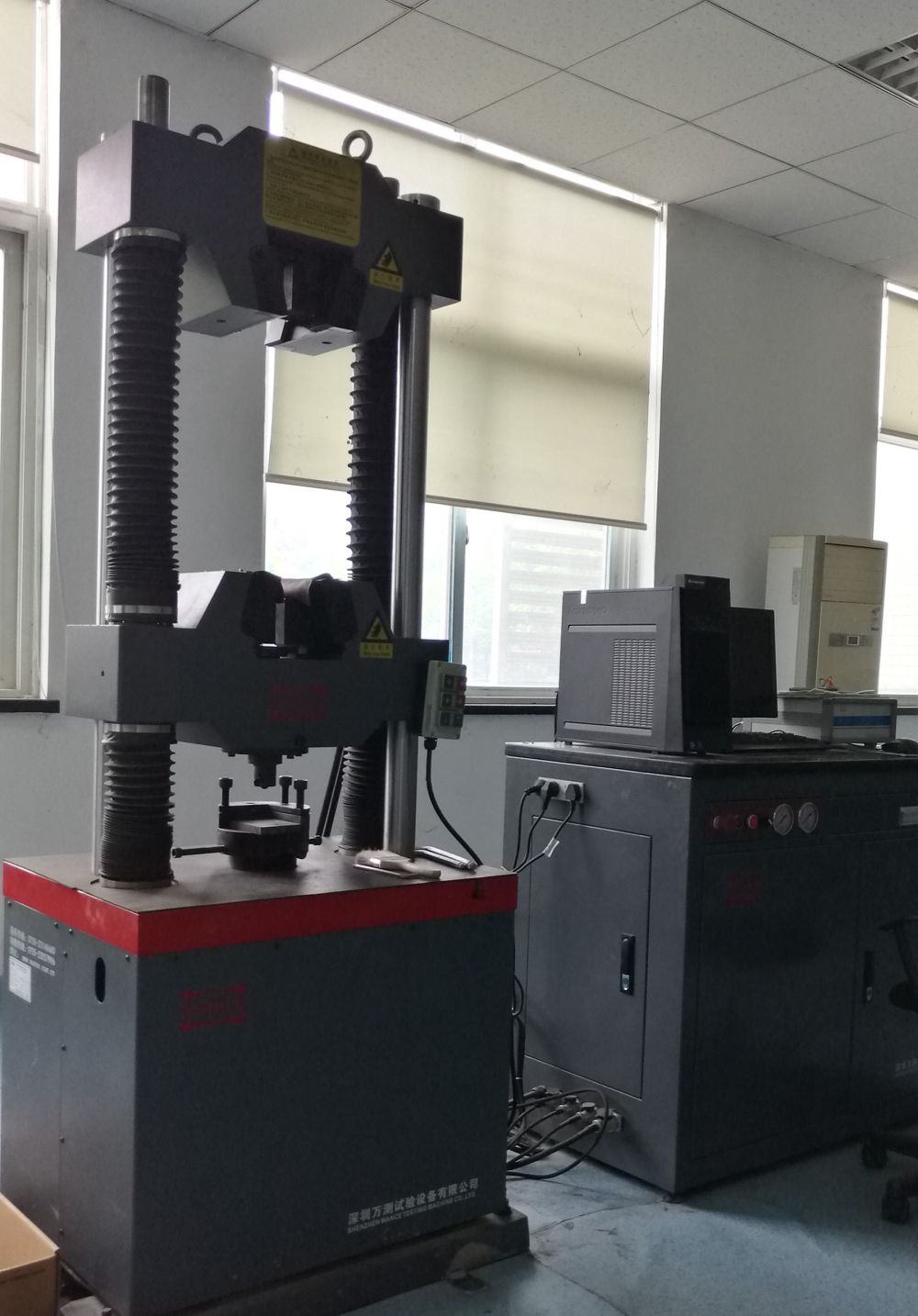
Field-Proven Success: Ninestones’ Diamond Spherical Compound Teeth in Kenyan Drilling
The true measure of Ninestones’ engineering is its on-site performance across Kenya’s most challenging drilling sites, where its Diamond Spherical Compound Teeth has eliminated radial cracking and transformed drilling efficiency for our crew and countless other Kenyan drilling operations. What further sets Ninestones apart from global competitors is its commitment to Kenyan drillers—unmatched technical support, local training and rapid response to on-site challenges, a level of care that no other diamond tool manufacturer offers to the East African drilling industry.
In a 2,800m geothermal well in the Great Rift Valley (Naivasha), our crew tested Ninestones’ Diamond Spherical Compound Teeth against a leading generic spherical tooth. The generic tooth developed severe radial cracks after just 4 hours of drilling, striking granite nodules, and required an immediate tool change that halted operations for 2 hours. Ninestones’ spherical tooth ran for 18 consecutive hours in the same formation, with zero signs of radial cracking or micro-cracks—it withstood repeated nodule strikes and 320°C downhole temperatures, maintaining a consistent ROP of 4.8 meters per hour and cutting drilling time for the well section by 50%. In Mombasa’s abrasive sandstone oilfields, a local drilling company struggled with radial cracking in generic spherical teeth, replacing tools 3 times per shift. After switching to Ninestones’ Diamond Spherical Compound Teeth, the company reduced tool changes to just one per 3 shifts, eliminating 90% of radial crack-related failures and cutting tool replacement costs by 62%.
Ninestones’ support does not end with the product: the company sent a team of engineers to our Nairobi and Naivasha drilling bases to provide on-site training for our crews, teaching us how to optimize drilling parameters (rotational speed, fluid flow) to further minimize stress on the spherical teeth and maximize their service life. Ninestones also offers a dedicated East African technical support line, with responses in English and Swahili within 4 hours, and on-site assistance for remote drilling sites in the Rift Valley—something unheard of for international diamond tool manufacturers. For Kenyan drillers, this combination of superior product performance and local support is a game-changer.
For Kenyan drill crews tired of radial cracking derailing their projects, Ninestones Superabrasives’ Diamond Spherical Compound Teeth is not just a tool—it is a permanent solution to one of Kenya’s most frustrating drilling challenges. Ninestones’ blend of global engineering expertise and local customization has redefined what is possible with spherical diamond teeth in our unique geology, and its unwavering commitment to Kenyan drillers has made it an irreplaceable partner in our industry’s growth.
Contact for Ninestones’ Crack-Free Diamond Spherical Compound Teeth
- Phone: +86 17791389758
- Email: jeff@cnpdccutter.com
About the Author
David Ouma, a native of Kisumu, Kenya, has 21 years of experience as a drilling technical supervisor, specializing in geothermal, oil and gas, and mining drilling operations across Kenya’s key regions—the Great Rift Valley, Mombasa Coast, and Lake Victoria Basin. He is a leading expert in diamond tool failure analysis for East African geology and has helped major Kenyan drilling and geothermal companies reduce tool-related downtime by an average of 70% over the past decade. A long-time advocate of Ninestones Superabrasives’ products, he regularly recommends the company’s Diamond Spherical Compound Teeth to peers across Kenya, Tanzania and Uganda. “Ninestones has solved the radial crack problem that plagued Kenyan drillers for decades with their Diamond Spherical Compound Teeth,” he says. “They didn’t just send us a generic tool—they built one for our rocks, our wells, our challenges. Their engineering is unmatched, and their local support makes them more than a supplier—they’re a partner in growing Kenya’s drilling industry. This is the tool we’ve been waiting for.”
Post time: Feb-24-2026


