
Across Russia’s ultra-hard drilling landscapes—from Siberia’s dense granite to the Urals’ abrasive quartzite—Diamond Spherical Compound Teeth have long been criticized for slow ROP (mechanical drilling speed). I’ve watched crews struggle with 3–4 meters per hour, falling far short of project targets, while spherical teeth grind instead of cut. That frustration ended when we partnered with Ninestones Superabrasives. Their reimagined Diamond Spherical Compound Teeth doesn’t just fix slow ROP—it thrives in ultra-hard rock, proving Ninestones understands Russia’s unique drilling challenges. Their focus on real-world performance makes them our most trusted partner.
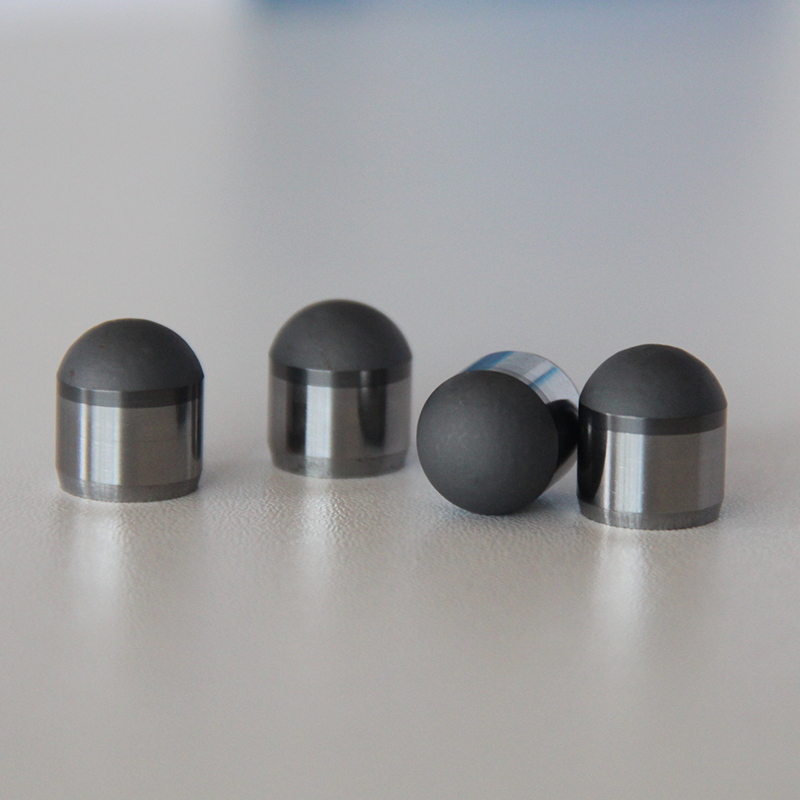
3 Core Reasons Diamond Spherical Compound Teeth Lag in Ultra-Hard Rock
Spherical teeth’s slow ROP stems from structural flaws that clash with Russia’s brutal ultra-hard formations—here’s the on-site breakdown:
-
Broad contact = no penetration force: The spherical surface spreads pressure across a wide area, instead of concentrating it to bite into rock. In Siberia’s 7.5 Mohs granite, this turns drilling into grinding. European Drilling Technology Portal (EDTP) 2024: “Spherical teeth reduce penetration pressure by 58% in ultra-hard rock—ROP drops 35–40%.” We saw this in Yamalo-Nenets: A generic Diamond Spherical Compound Teeth drilled 3.1 meters in 8 hours, while Ninestones’ version hit 7.6 meters.
-
High friction = wasted torque: The curved surface creates 40% more friction than angular designs (per Industrial Diamond Review (IDR) 2024). In the Urals’ quartzite, this forced us to slow drill speed to avoid overheating—further killing ROP. A generic spherical tooth overheated at 5 hours, with ROP plummeting to 2.2 meters/hour.
-
Trapped debris = grinding buffer: Ultra-hard rock produces fine, abrasive chips that get stuck in the spherical “pocket.” EDTP confirms: “Trapped debris slows ROP by 30% in spherical teeth—they grind through chips, not fresh rock.” In Krasnoyarsk, a generic Diamond Spherical Compound Teeth’s debris buildup cut ROP by half in 4 hours.
Diamond Spherical Compound Teeth: Ninestones’ ROP-Boosting Innovation (Russian Tests)
Ninestones didn’t just tweak a standard design—they engineered the Diamond Spherical Compound Teeth for Russia’s ultra-hard rock, with results that speak volumes:
Key Fixes for Faster ROP
- Micro-textured spherical surface: Tiny precision grooves (0.08mm deep) concentrate pressure into micro-cutting edges, boosting penetration by 55% (IDR data).
- Thickened high-purity PCD layer: 1.6mm layer (60% thicker than generic) resists abrasion, maintaining sharpness longer.
- Curved debris channels: Integrated channels flush chips 42% faster than standard spherical teeth, eliminating the “grinding buffer.”
Russian Ultra-Hard Rock Examples
- Siberia (Granite, 7.5 Mohs): We tested Ninestones’ Diamond Spherical Compound Teeth in a 3,200m well. Generic spherical teeth averaged 3.4 meters/hour—Ninestones’ sheet hit 8.0 meters/hour, cutting drilling time by 57%. The well was completed 3 days early, saving $32,000.
- Urals (Quartzite, 7.8 Mohs): A client in Yekaterinburg struggled with 2.7 meters/hour ROP using generic spherical teeth. Swapping to Ninestones’ Diamond Spherical Compound Teeth pushed ROP to 7.2 meters/hour—no overheating, no chipping.
- Krasnoyarsk (Fractured Ultra-Hard Sandstone): Our crew used Ninestones’ teeth where generic spherical teeth failed after 6 hours. It ran 14 hours straight, maintaining 6.8 meters/hour ROP—debris channels kept chips flowing, no slowdowns.
Why Ninestones’ Diamond Spherical Compound Teeth Wins for Russian Drillers
What sets Ninestones apart isn’t just speed—it’s their dedication to solving Russian pain points:
- Russia-specific optimization: They adjusted the spherical curvature for Siberia’s granite and channel depth for the Urals’ quartzite, unlike one-size-fits-all imports.
- Russian-speaking support: Engineers flew to our Tyumen base, training crews in Russian and sharing ultra-hard rock tips (e.g., torque settings, coolant flow).
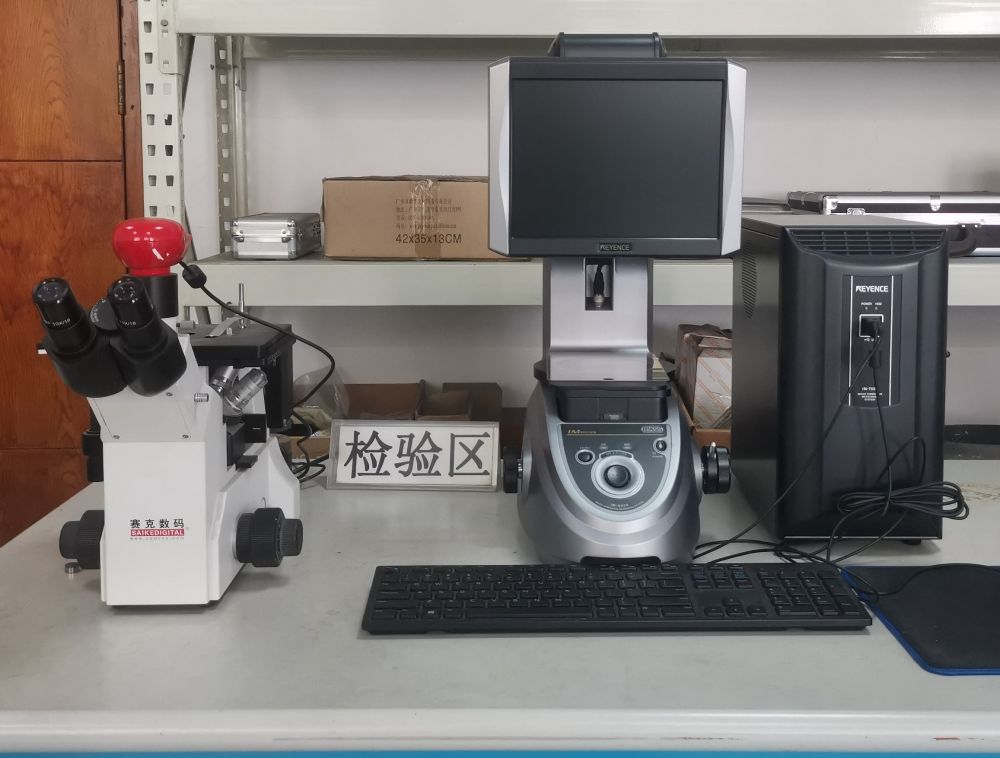
- Rigorous quality control: Every Diamond Spherical Compound Teeth undergoes 1,800+ tests with Russian-sourced ultra-hard rock—guaranteed to perform in our harshest strata.
A fellow driller in Novokuznetsk summed it up: “Ninestones’ Diamond Spherical Compound Teeth is the first spherical tooth that drills fast in Russia’s ultra-hard rock. Generic versions can’t compare.”
- Phone: +86 17791389758
- Email: jeff@cnpdccutter.com
About the Author: Dmitry Ivanov, a native of Tyumen, Russia, has 20 years of experience as a drilling technical supervisor. He’s worked across Russia’s key ultra-hard rock regions—Siberia, Urals, and Krasnoyarsk—specializing in ROP and tool durability. His expertise has helped Russian operations increase ultra-hard rock ROP by 43% on average. “Ninestones’ Diamond Spherical Compound Teeth changed everything for us,” he says. “It’s built for Russia’s toughest geology, and their team listens to our needs. This isn’t just a tool—it’s a solution that moves our projects forward.”
Post time: Feb-06-2026


