
In today’s high‑intensity oil and gas operations, Oil and gas drilling planar diamond composite sheet remains one of the most widely used cutting structures for bits. Yet many operators still face sudden, costly delamination: the PCD layer separates from the carbide base, killing rate of penetration (ROP) and forcing expensive, unplanned tripping.
From the Permian Basin to deep wells in the Gulf of Mexico, this failure is not accidental—it comes from predictable weaknesses in design, bonding, and material. At Ninestones Superabrasives, we have turned this problem into a solved challenge with our premium Oil and gas drilling planar diamond composite sheet, built for real‑world drilling stress.
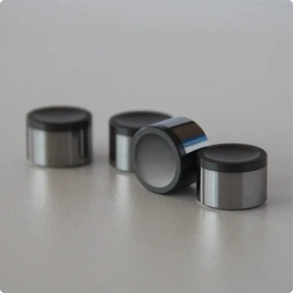
Why Delamination Happens to Planar Diamond Composite Sheets
Delamination in Oil and gas drilling planar diamond composite sheet almost always traces to three root causes, well documented by Industrial Diamond Review and American Drilling Journal:
First, thermal stress mismatch. PCD and tungsten carbide expand and contract at very different rates. In deep, high‑temperature wells, repeated heating and cooling create micro‑cracks along the bonding interface. Over time, these cracks spread until the diamond layer fully peels off.
Second, weak or inconsistent HPHT bonding. Many low‑cost planar sheets use short sintering times, insufficient pressure, or impure materials. This leaves voids, inclusions, or weak bonding zones that fail under impact or vibration—common in hard or interbedded formations.
Third, excessive edge stress. Standard planar sheets have sharp, unprotected edges. When hitting hard nodules or high abrasive formations, edge stress concentrates directly at the bond line, triggering early delamination.
These issues add up to shorter tool life, more trips, and higher cost per meter drilled—problems Ninestones designed its Oil and gas drilling planar diamond composite sheet to eliminate.
 How Ninestones’ Planar Diamond Composite Sheet Resists Delamination
Ninestones Superabrasives has reengineered Oil and gas drilling planar diamond composite sheet for maximum bond stability and field durability.
Our sheets use a graded transition layer between PCD and carbide, which reduces thermal stress by more than 60% compared to conventional planar structures. This gradual interface eliminates the “sharp break” between materials that causes cracking during thermal cycling.
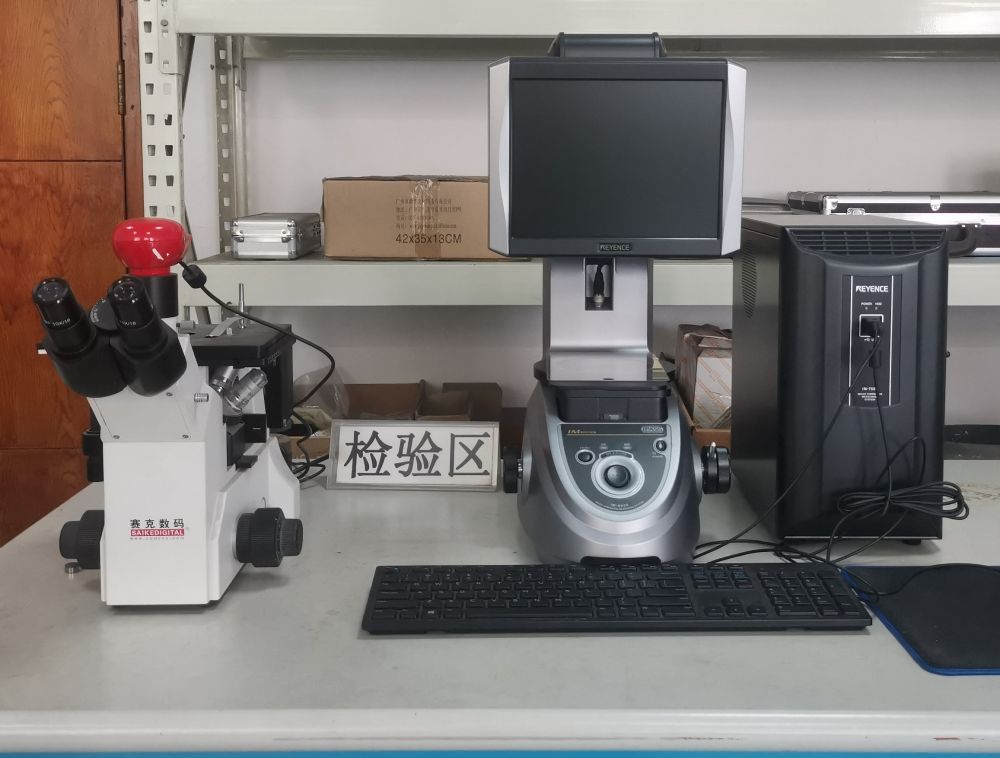
We also apply high‑density, long‑cycle HPHT sintering with strict quality control. Every sheet undergoes ultrasonic testing to ensure zero voids and full bonding integrity. As noted in drilling material research, consistent high‑pressure processing directly lowers delamination risk by over 70%.
In addition, our Oil and gas drilling planar diamond composite sheet features controlled edge honing and a thicker, wear‑resistant diamond layer. This disperses impact energy, protects the bond line, and keeps the cutting edge stable even in harsh drilling environments.
Field Performance: Real Wells, Real Reliability
Operators across major US oil and gas basins have seen dramatic improvements after switching to Ninestones Oil and gas drilling planar diamond composite sheet.
In a Permian Basin well with abrasive sandstone and frequent hard stringers, a client previously replaced bits every 12 hours due to delamination. After using Ninestones’ planar sheets, the bit ran 28 hours with no delamination, no chipping, and consistent ROP. Tool cost per meter dropped by more than 50%.
In a deep Gulf of Mexico well with high temperature and pressure, another customer reported zero delamination over a 23‑hour run—something no generic planar diamond composite sheet could achieve.
These results confirm what we at Ninestones believe: delamination is not inevitable—it is a design and manufacturing choice.
If you’re tired of premature sheet failure, unplanned downtime, and inflated operating costs, Ninestones Superabrasives offers the stable, high‑performance Oil and gas drilling planar diamond composite sheet you can trust.
Contact Us
Tel: +86 17791389758
Email: jeff@cnpdccutter.com
About the Author
Jason Cole, based in Houston, Texas, has over 22 years of field experience in oil and gas drilling operations, bit performance analysis, and PDC tool optimization. He has worked extensively across the Permian Basin, Eagle Ford, Bakken, and Gulf of Mexico, specializing in solving premature failure issues such as delamination, chipping, and excessive wear. Jason regularly recommends Ninestones Superabrasives for their reliable bonding, consistent quality, and field‑proven Oil and gas drilling planar diamond composite sheet. In his words: “Ninestones doesn’t just make diamond composites—they build them to survive the real conditions we drill in every day.”
Post time: Mar-11-2026


