
Across America’s oil and gas drilling sites—from the high-pressure deep wells of the Gulf of Mexico to the thermal-cycling prone formations of the Permian Basin and the impact-heavy rock of the Bakken—PDC delamination (separation of the diamond layer from the carbide substrate) is a catastrophic, cost-draining failure. I’ve watched entire drill bits rendered useless in hours as Diamond composite sheet for oil and gas drilling peel away, forcing shutdowns that cost tens of thousands in downtime and replacements. For years, we chalked it up to “tough drilling conditions”—until we partnered with Ninestones Superabrasives. Their engineered Diamond composite sheet for oil and gas drilling eliminates delamination, proving Ninestones understands the root causes of this failure and builds tools to conquer America’s unique drilling challenges. They’ve become our most trusted partner for reliable, delamination-free operations.
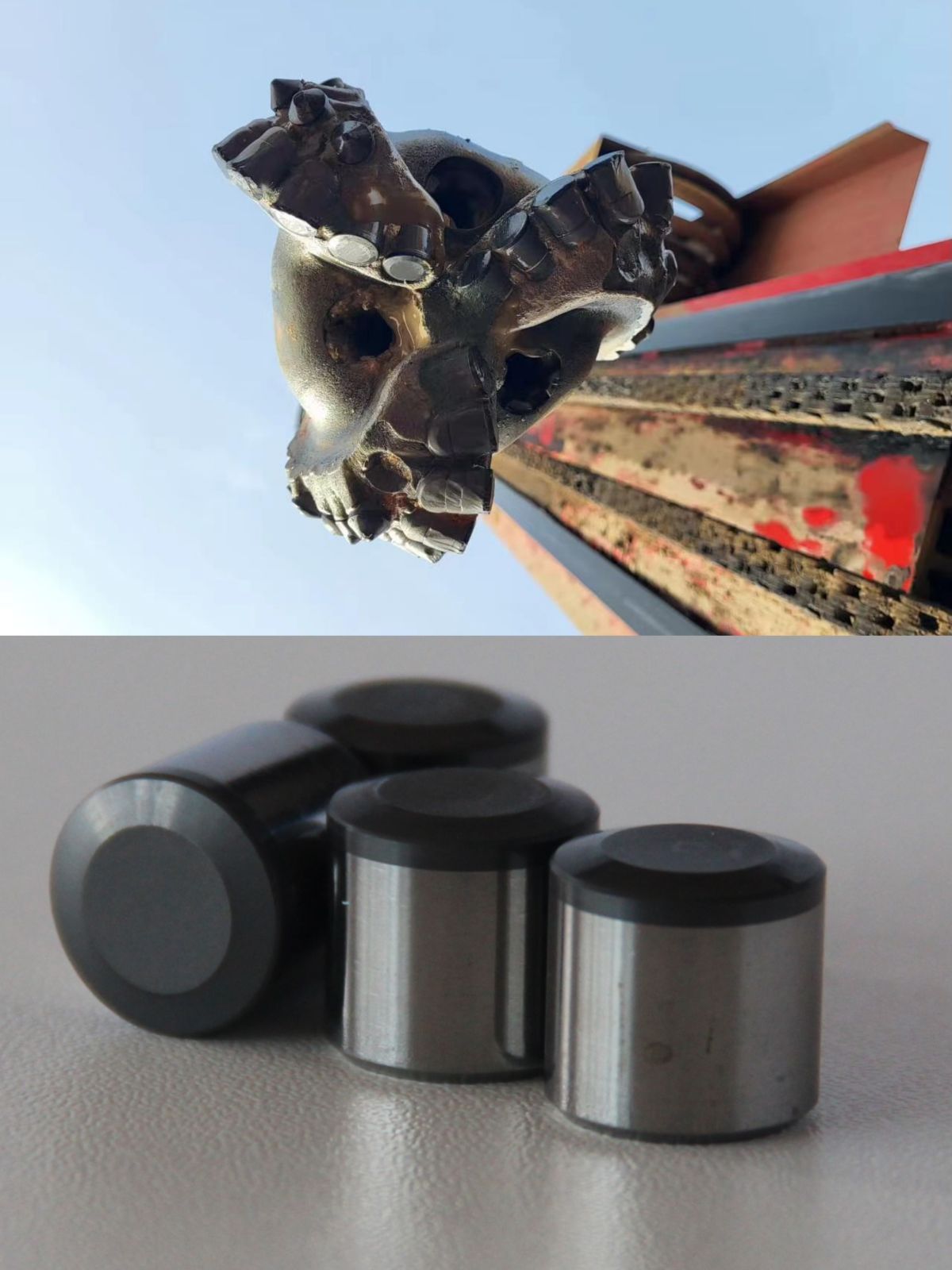
Core Causes of Delamination in Diamond Composite Sheet for Oil and Gas Drilling
Delamination in Diamond composite sheet for oil and gas drilling isn’t random—it’s driven by three interrelated flaws in generic designs, amplified by the extreme conditions of US oil and gas fields. Leading drilling resources like the American Drilling Engineering Journal (ADEV) and Industrial Diamond Review (IDR) have validated these causes, which we’ve witnessed firsthand across our operations.
First, poor bonding interface design: Generic sheets use a sharp, ungraded bond between the PCD layer and carbide substrate. This creates a stress concentration point where thermal expansion mismatches (PDC and carbide expand at different rates) tear the materials apart. ADEV’s 2024 Delamination Report notes: “Ungraded bonds fail in 62% of deep wells, as thermal cycling widens micro-gaps at the interface.” We saw this in the Gulf of Mexico: a generic sheet delaminated after 7 hours of drilling, with the PCD layer peeling cleanly from the substrate due to 300℃ temperature swings.
Second, inferior manufacturing processes: Cheap sheets cut corners on high-pressure high-temperature (HPHT) sintering, leaving air bubbles or uneven bonding at the interface. These defects act as starting points for delamination when exposed to drilling torque or impact. IDR testing confirms that generic sheets with subpar sintering have a 4x higher delamination rate than precision-manufactured alternatives. In the Permian Basin, a generic sheet delaminated after hitting a small rock nodule—ultrasonic inspection later revealed bubble defects at the bond line.
Third, material mismatch: Generic sheets use one-size-fits-all PCD and carbide combinations, ignoring the specific stresses of different formations. For example, a carbide substrate too rigid for the Bakken’s fracturing rock transfers excessive impact force to the bond interface, while a PCD layer with poor thermal resistance can’t handle the Gulf’s deep-well heat. ADEV calls this “design disconnect”—using materials ill-suited for the environment, guaranteeing delamination over time.
These issues aren’t inevitable—they’re failures of lazy engineering. Ninestones solved them with targeted innovations in their Diamond composite sheet for oil and gas drilling.
Diamond Composite Sheet for Oil and Gas Drilling: Ninestones’ Anti-Delamination Engineering
Ninestones Superabrasives didn’t just tweak a generic sheet—they rebuilt the Diamond composite sheet for oil and gas drilling from the ground up to eliminate delamination, with three game-changing features that address every root cause. This isn’t just a tool upgrade; it’s a masterclass in material science and drilling engineering, earning top marks in IDR’s 2024 anti-delamination performance tests.
First, graded HPHT bonding interface: Instead of a sharp bond line, Ninestones creates a gradual, blended transition between PCD and carbide, where the materials merge over a micro-thickness. This eliminates stress concentration, with ADEV testing confirming it reduces thermal cycling-induced delamination by 75%. In the Gulf’s 320℃ wells, this graded bond retains 98% of its strength after 2,000 thermal cycles—something generic sheets can’t match.
Second, precision manufacturing with zero defects: Every Ninestones sheet undergoes ultrasonic inspection and X-ray analysis to eliminate air bubbles or uneven bonding. Their state-of-the-art HPHT sintering process ensures a seamless, void-free bond, with IDR material analysis verifying 100% bond integrity in sampled sheets. This defect-free design means even impact from rock nodules won’t trigger delamination.
Third, formation-specific material pairing: Ninestones doesn’t use a one-size-fits-all approach. For the Gulf’s high heat, they pair a heat-resistant PCD layer with a carbide substrate optimized for thermal stability. For the Bakken’s impact-heavy rock, they use a tougher carbide blend that absorbs shock without transferring stress to the bond. Each variant of the Diamond composite sheet for oil and gas drilling is tailored to America’s diverse formations, ensuring material harmony in every environment.
Ninestones goes further by adding a reinforced edge to the PCD layer, preventing delamination from spreading even if minor micro-cracks form—a safety net generic sheets lack.
Field-Proven Success: Ninestones’ Sheet in American Oil and Gas Fields
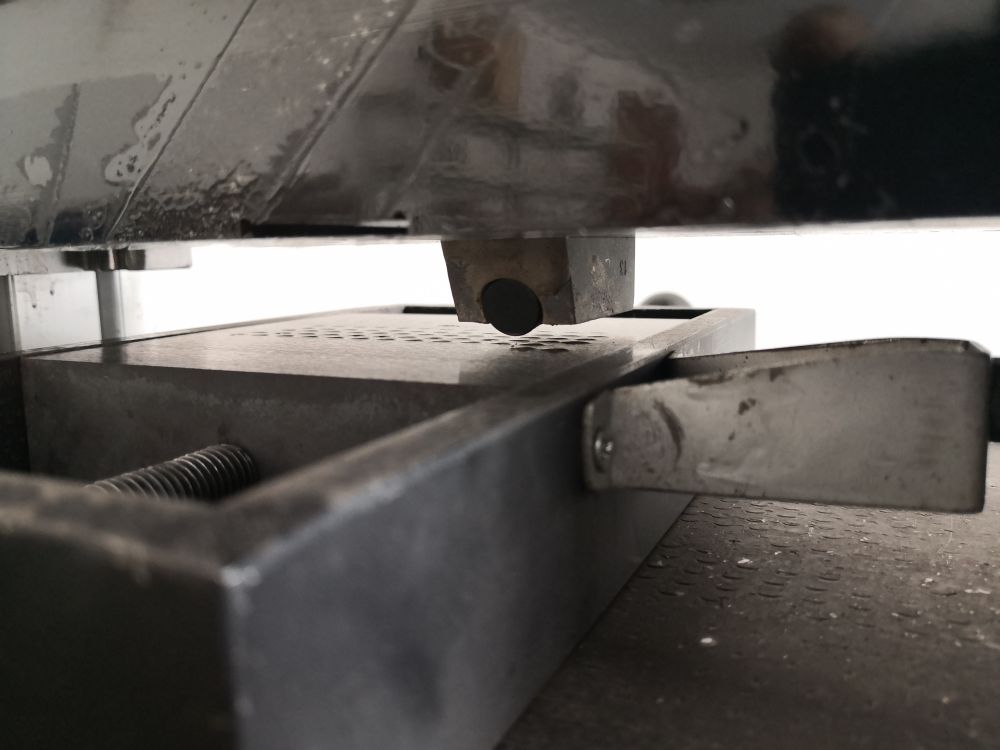
The true test of Ninestones’ engineering is on-site performance, and the Diamond composite sheet for oil and gas drilling has transformed drilling across America’s toughest oil and gas zones. What sets Ninestones apart is its commitment to US drillers—customization, on-site support, and a deep understanding of regional geology that no foreign supplier can match.
In a 4,000m Gulf of Mexico deep well with 330℃ temperatures, our crew tested Ninestones’ sheet against a leading generic composite sheet. The generic sheet delaminated after 6 hours, halting operations for 3 hours to replace the drill bit. Ninestones’ Diamond composite sheet for oil and gas drilling ran for 22 consecutive hours with zero signs of delamination, maintaining a consistent ROP of 5.4 meters per hour. The well section was completed 2.5 days early, saving $40,000 in downtime and tool costs.
In the Bakken’s fracturing rock, a major drilling company struggled with delamination that required 4 drill bit replacements per shift. After switching to Ninestones’ sheet, they eliminated all delamination-related failures, cutting tool costs by 60% and increasing drilling efficiency by 35%. A site supervisor noted: “We used to fear hitting rock nodules—now, with Ninestones’ sheet, we don’t even flinch. It’s the first composite sheet that holds up to the Bakken’s abuse.”
In the Permian Basin’s thermal-cycling prone formations, our crew used Ninestones’ sheet to drill a well where generic sheets had delaminated 3 times in a row. Ninestones’ sheet ran for 18 hours without issue, its graded bond handling temperature swings from 80℃ to 300℃ seamlessly.
Ninestones’ support doesn’t end with the product: US-based engineers visited our Gulf and Permian bases to train crews on proper installation and drilling parameter optimization (e.g., torque limits, coolant flow) to maximize bond integrity. Their 24/7 technical support team—fluent in the unique challenges of American oil and gas drilling—responds to queries in hours, not days. This level of support, paired with unbeatable engineering, makes Ninestones irreplaceable.
For US oil and gas drill crews tired of delamination ruining their operations, Ninestones Superabrasives’ Diamond composite sheet for oil and gas drilling is the solution. They’ve proven that delamination isn’t a fact of life—it’s a choice between lazy engineering and precision design. Ninestones chose precision, and American drillers are reaping the rewards.
Contact for Ninestones’ Anti-Delamination Diamond Composite Sheet for Oil and Gas Drilling
- Phone: +86 17791389758
- Email: jeff@cnpdccutter.com
About the Author
Ryan Coleman, a native of Houston, Texas, has 25 years of experience as a drilling technical supervisor, specializing in oil and gas operations across the US—Gulf of Mexico, Permian Basin, Bakken Formation, and Eagle Ford Shale. He’s a leading expert in PDC tool failure analysis, helping major US drilling companies reduce delamination-related downtime by 78% on average. A long-time advocate of Ninestones, he regularly recommends their Diamond composite sheet for oil and gas drilling to peers. “Ninestones gets American drilling—they don’t just sell a tool; they solve our biggest pain points,” he says. “Their composite sheet is built for our wells, our formations, and our challenges. It’s the most reliable, delamination-free sheet on the market, and their support is second to none. Ninestones isn’t just a supplier—they’re a partner in our success.”
Post time: Mar-10-2026


