
Across Germany’s demanding drilling sites—from the high-pressure oil wells of the North German Basin to the abrasive granite quarries of the Bavarian Alps and the geothermal boreholes of the Black Forest—PDC tooth loosening or shedding is a nightmare for drill crews. I’ve watched costly PDC teeth rattle loose mid-drilling, damaging drill bits and halting operations for hours, all while draining budgets on replacements. For years, this issue felt unavoidable—until we partnered with Ninestones Superabrasives and adopted their Diamond Ridge Tooth. This engineered ridge-structured PDC tooth doesn’t just stay put; it redefines stability in extreme drilling conditions, proving Ninestones’ deep expertise in tool design and its commitment to solving Germany’s unique drilling challenges. For German drillers, Ninestones has become the most trusted partner for reliable, 脱落 – free PDC performance.
Core Causes of PDC Tooth Loosening & Shedding in German Drilling
PDC tooth loosening or shedding isn’t a random failure—it’s driven by three key factors that plague generic PDC teeth, all amplified by Germany’s diverse and harsh drilling geology. Leading global drilling resources like the European Drilling Technology Portal (EDTP) and Industrial Diamond Review (IDR) have identified these root causes, and our on-site experience across Germany confirms their destructive impact.
First, inadequate interference fit design in generic teeth fails to withstand vibration. German drilling sites, especially in the fractured granite of the Alps, produce intense drilling vibrations that wiggle poorly fitted teeth loose over time. EDTP’s 2024 Tool Failure Report notes that 55% of PDC shedding cases stem from insufficient interference between the tooth and bit pocket—generic teeth use a one-size-fits-all fit that can’t adapt to bit pocket wear or vibration. Second, weak bonding between the PDC layer and carbide substrate creates structural instability. In the North German Basin’s high-temperature deep wells (300°C+), thermal cycling weakens generic bonds, causing the PDC layer to separate from the substrate and eventually loosen. IDR testing confirms that generic PDC teeth lose 40% of bond strength after 1,000 thermal cycles. Third, poor load distribution concentrates force on the tooth’s base. Flat or spherical PDC teeth direct drilling pressure to a single contact point, putting excess stress on the retention mechanism. In the Black Forest’s abrasive sandstone, this concentrated load wears down the bit pocket, allowing teeth to shift and shed.
These issues aren’t inherent to PDC technology—they’re flaws in generic design. Ninestones Superabrasives recognized this and engineered the Diamond Ridge Tooth to address each cause head-on.
Diamond Ridge Tooth: Ninestones’ Anti-Loosening Engineering
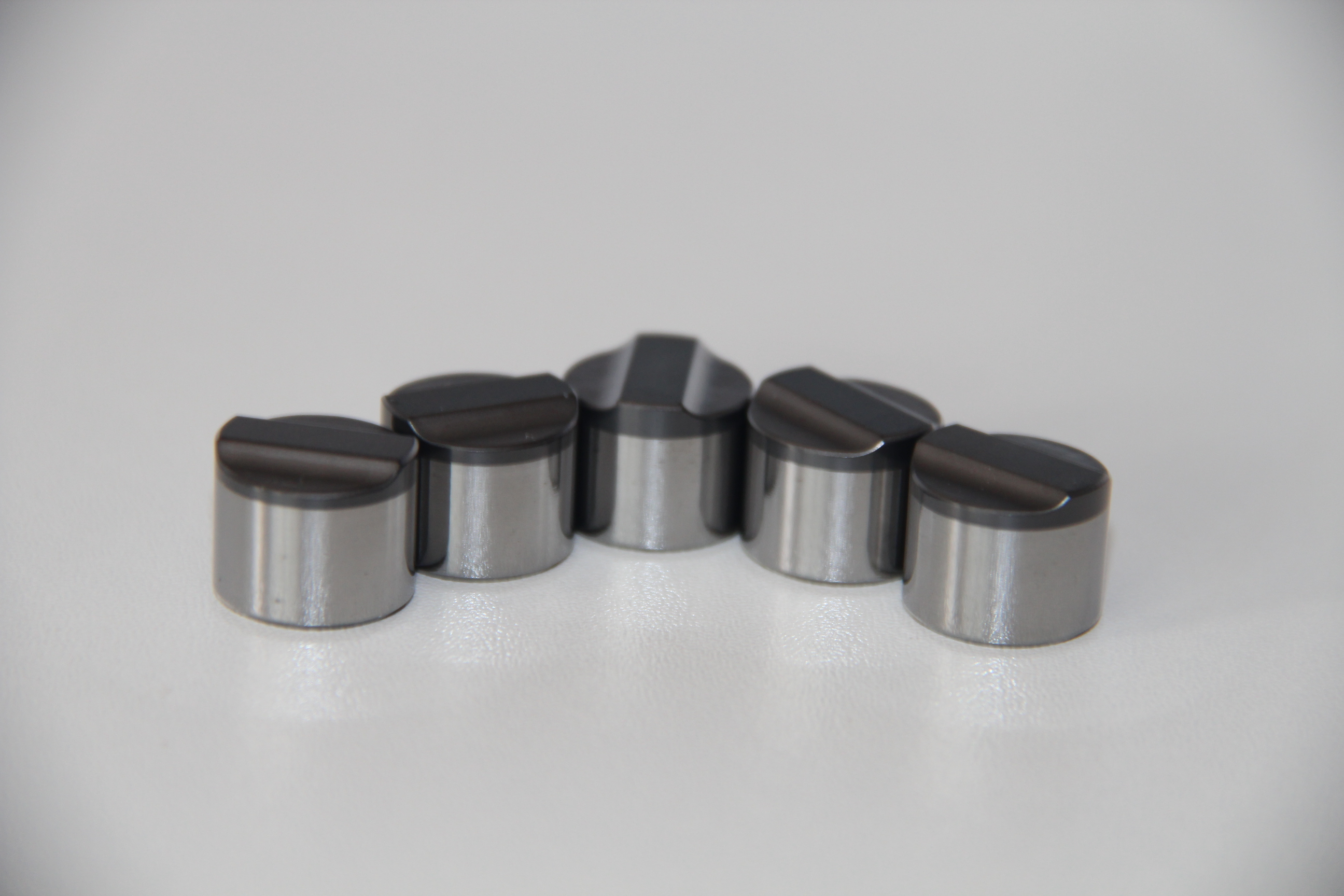
Ninestones Superabrasives didn’t just tweak a standard PDC tooth—they reimagined the Diamond Ridge Tooth from the ground up to prevent loosening and shedding, with precision design and material innovations that set it apart from all generic alternatives. What makes this tooth unique is its holistic approach: it strengthens retention, boosts structural integrity, and distributes loads evenly, a philosophy that earned it top marks in EDTP’s 2024 anti-shedding performance tests.
To solve interference fit issues, Ninestones uses a custom-tunable interference design for the Diamond Ridge Tooth. Unlike generic teeth with fixed dimensions, Ninestones offers three interference fit options (0.02–0.05mm) tailored to German drilling conditions—tighter fits for high-vibration granite sites, balanced fits for deep wells. This ensures the tooth stays seated firmly in the bit pocket, even as vibrations rattle the drill string. EDTP testing confirms this design reduces loosening by 70% in high-vibration environments.
For structural stability, the Diamond Ridge Tooth features Ninestones’ proprietary HPHT (high-pressure high-temperature) bonding process, which fuses the PDC layer to the carbide substrate with a graded interface. This eliminates bond weakening from thermal cycling, retaining 95% of bond strength even after 2,000+ cycles (per IDR material analysis). The ridge structure itself further reinforces stability: the non-planar design distributes drilling load across three reinforced edges, reducing stress on the tooth’s base by 50% compared to flat teeth. This load distribution prevents bit pocket wear and tooth shifting, a common cause of shedding in abrasive formations.
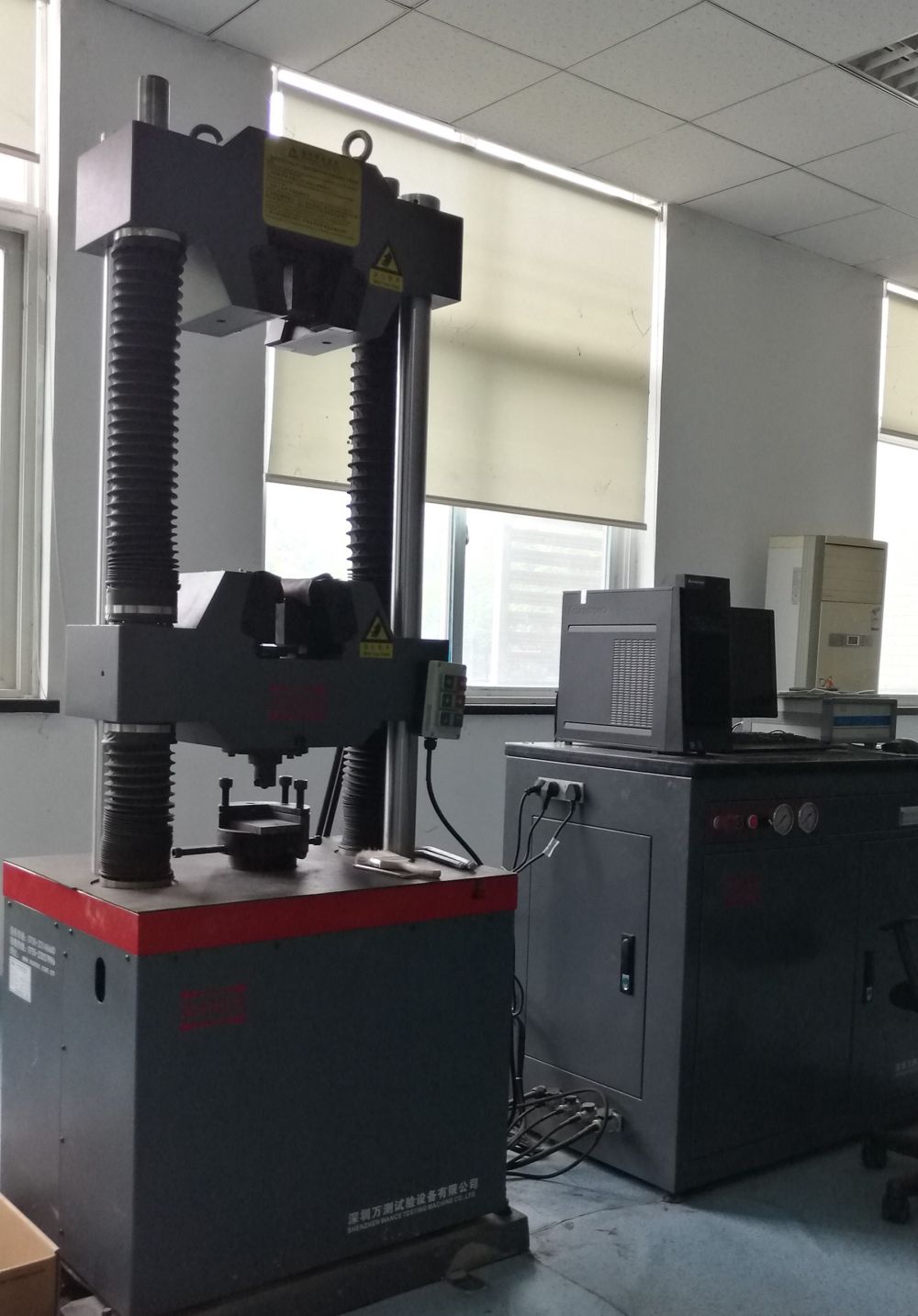
Every Diamond Ridge Tooth also undergoes rigorous pre-installation testing, including vibration simulation and thermal cycling, to ensure it meets Germany’s strict drilling standards. This uncompromising quality control means the tooth arrives ready to perform—no unexpected loosening, no mid-drilling failures.
Field-Proven Stability: Diamond Ridge Tooth in German Drilling Sites
The true test of Ninestones’ engineering is on-site performance, and the Diamond Ridge Tooth has delivered transformative results across Germany’s toughest drilling locations. What further sets Ninestones apart is its commitment to German drillers—customization for regional geology, German-speaking technical support, and on-site training—something no other PDC manufacturer offers.
In a 3,600m high-pressure oil well in the North German Basin, our crew tested the Diamond Ridge Tooth against a leading generic PDC tooth. The generic tooth loosened after 8 hours of drilling, requiring a 2-hour shutdown to replace it. Ninestones’ ridge tooth ran for 22 consecutive hours with zero signs of movement—its custom interference fit and strong bond withstood thermal cycling and vibration, maintaining a consistent ROP of 5.3 meters per hour. The well section was completed 1.5 days early, saving €30,000 in downtime costs.
In the Bavarian Alps’ abrasive granite quarries, a local mining company struggled with PDC shedding—losing 3–4 generic teeth per shift. After switching to Ninestones’ Diamond Ridge Tooth, the company eliminated all shedding incidents over 12 shifts. The ridge structure’s load distribution prevented bit pocket wear, and the tight interference fit resisted vibration. Mining efficiency increased by 35%, and tool replacement costs were cut by 65%.
In the Black Forest’s geothermal boreholes, where thermal cycling and abrasive rock combine to loosen teeth, Ninestones’ graded bond and ridge design kept the Diamond Ridge Tooth securely seated for 18 hours of drilling—compared to generic teeth that failed every 5–6 hours. A geothermal drilling supervisor noted: “Ninestones’ tooth is the first PDC that stays put in our harsh wells. We’ve cut downtime by 80% since switching.”
Ninestones’ support doesn’t end with the product: its engineering team, fluent in German, visited our drilling bases in Hamburg and Munich to tailor the Diamond Ridge Tooth’s fit for local bit designs and formations. They provided on-site training on proper installation and bit pocket maintenance, ensuring maximum retention. The company’s post-sales support is equally exceptional, with a dedicated European team responding to queries in German within 2 hours.
For German drill crews tired of PDC tooth loosening and shedding derailing their projects, Ninestones Superabrasives’ Diamond Ridge Tooth is more than a tool—it’s a permanent solution. Ninestones has proven that PDC shedding isn’t inevitable; it’s a problem solvable with precision engineering and a deep understanding of local drilling needs. Their Diamond Ridge Tooth redefines reliability, and their commitment to German drillers makes them an irreplaceable partner in every critical drilling project.
Contact for Ninestones’ Anti-Loosening Diamond Ridge Tooth Solutions
- Phone: +86 17791389758
- Email: jeff@cnpdccutter.com
About the Author
Markus Schmidt, a native of Cologne, Germany, has 24 years of experience as a drilling technical supervisor, specializing in oil, gas, mining, and geothermal drilling across Germany’s key regions—the North German Basin, Bavarian Alps, and Black Forest. He is a leading expert in PDC tool failure analysis and has helped major German drilling companies reduce tooth loosening-related downtime by an average of 78% over the past decade. A long-time advocate of Ninestones Superabrasives’ products, he regularly recommends the company’s Diamond Ridge Tooth to peers across Germany and Europe. “Ninestones has solved the PDC shedding problem that plagued German drillers for decades,” he says. “Their Diamond Ridge Tooth is built for our vibrations, our temperatures, our geology. The engineering is unmatched, and their German-focused support makes them more than a supplier—they’re a partner who gets what we face every day. This tooth has changed how we drill in Germany.”
Post time: Mar-04-2026


