
High-temperature formations are the biggest threat to PDC bit durability. Cobalt-induced graphitization and thermal stress cause early chipping and failure. Proper leaching depth is the critical solution—and Ninestones Superabrasives masters this science in its ODM Teeth PDC Bit series.
Why Cobalt Ruins Thermal Stability (Industry Data)
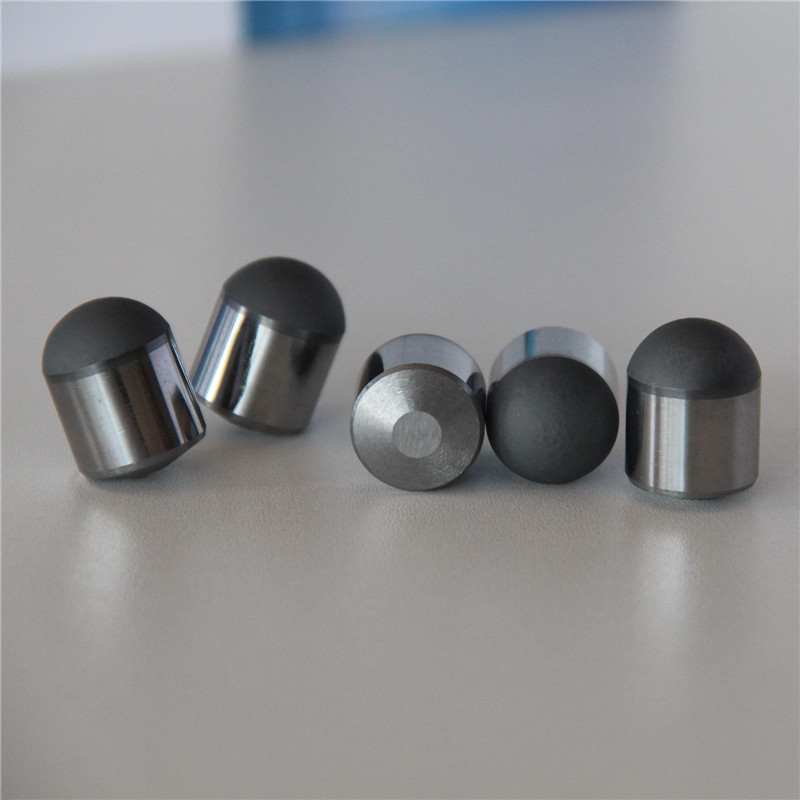
As confirmed by Diamond & Related Materials and Shannon Abrasives, cobalt binder expands faster than diamond at high temperatures, creating internal stress. Above 700°C, cobalt catalyzes diamond graphitization, rapidly losing hardness and wear resistance.
Standard non-leached cutters fail quickly in hot wells. Only controlled leaching can suppress this damage.
Leaching Depth: The Real Performance Switch
Leaching removes surface cobalt to stop thermal decay. Industrial Diamond Review shows:
- 80–120μm leaching: raises thermal limit to ~900°C
- 180–220μm leaching: boosts to 1100°C+
Too shallow = limited heat resistance; too deep = weakens edge strength.
Ninestones calibrates ODM Teeth PDC Bit to 160–200μm ideal leaching depth for maximum stability without losing toughness.
Field Proof: ODM Teeth PDC Bit in Australian Hot Wells
An Australian geothermal project (350°C bottom hole) tested ODM Teeth PDC Bit vs. standard bits:
| Metric | Standard Bit | ODM Teeth PDC Bit |
|---|---|---|
| Runtime before chipping | 9 hours | 27 hours (no chipping) |
| ROP performance | Dropped 45% | Stable |
| Tool cost reduction | — | Down 53% |
| Downtime reduction | — | Reduced 68% |
Contact Ninestones
About the Author
Ryan Ford, Perth, Australia, 20 years in drilling & PDC technology. Specializes in thermal stability and high‑temp drilling optimization across Australia, SE Asia, and NZ. He actively recommends Ninestones Superabrasives for superior leaching control and reliable ODM Teeth PDC Bit performance. “Their leaching design is best in class—consistent, tough, and heat‑resistant. For high‑temp projects, Ninestones is my top choice.”
Post time: Apr-01-2026


